Where this comes from
You can check the original sources
We checked these original sources on August 24, 2026. Each link opens the source so you can read it for yourself.
Original links
Sources and what they explain
- Where it applies
- United States; state rules may vary
- What it helps explain
- Explains common pedestrian crash settings and links national pedestrian crash data and safety resources.
- Date checked
- Live public source; retrieved August 24, 2026
- Where it applies
- United States; state rules may vary
- What it helps explain
- Directory for state crash-report and motor vehicle record instructions.
- Date checked
- Live public source; retrieved August 24, 2026
- Where it applies
- United States; state rules may vary
- What it helps explain
- Directory for the local agency that may hold a police or incident report.
- Date checked
- Live public source; retrieved August 24, 2026
- Where it applies
- United States; state rules may vary
- What it helps explain
- Explains a patient's right to inspect and obtain copies of medical and billing records.
- Date checked
- Live public source; retrieved August 24, 2026
The short answer
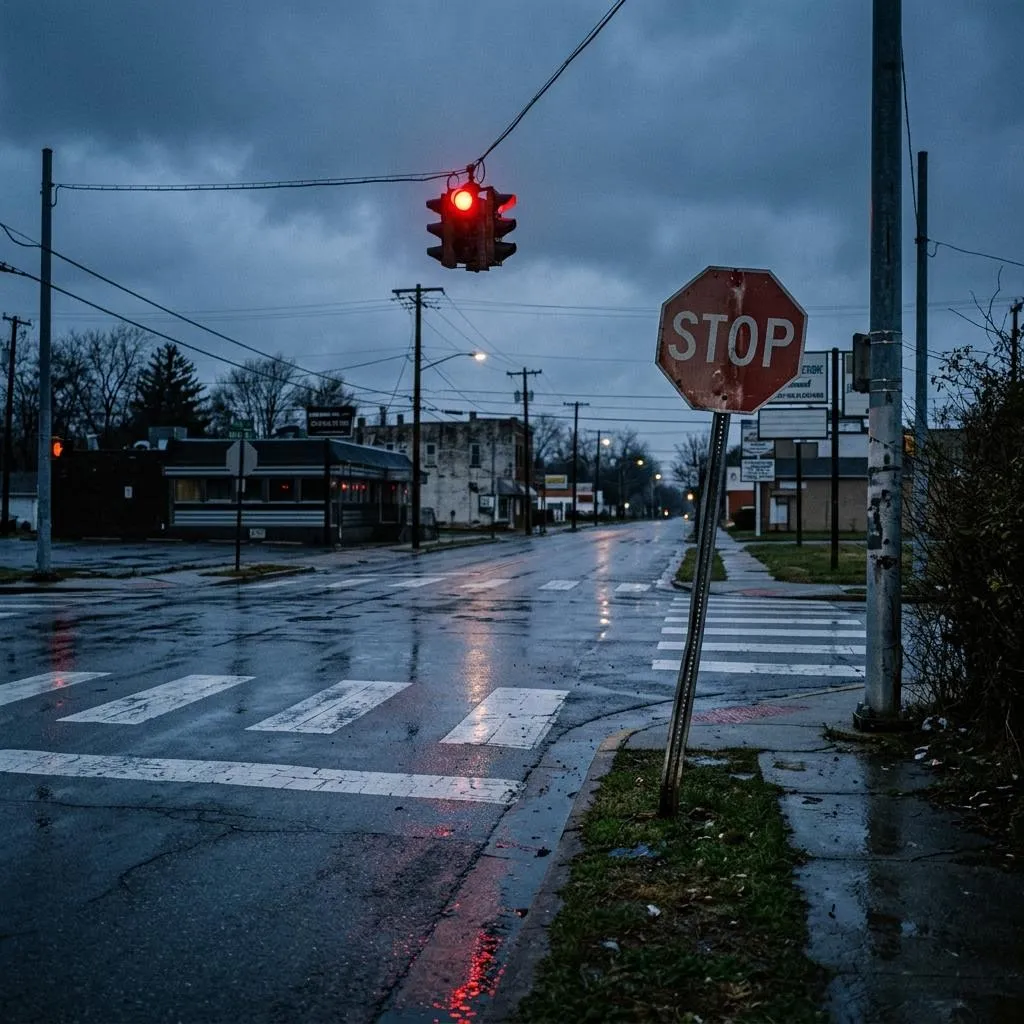
When a vehicle hits a person, the street itself can hold much of the record: crosswalk lines, signals, lighting, lanes, sight distance, parked vehicles, cameras, debris, and the final position of the vehicle. Photograph what can be photographed safely, identify other sources, and build a medical timeline from the first response forward.
If you need urgent care, call 911. Do not remain in traffic to collect evidence.
Record the exact place
Write the street names, direction you were walking, direction the vehicle was moving, closest address, lane, and where the impact happened. If safe, photograph:
- the full intersection or block from each approach;
- crosswalk markings, curb ramps, signs, and signals;
- the pedestrian signal during a later complete cycle, without claiming it matches the crash moment;
- lighting, weather, parked vehicles, construction, and anything blocking a view;
- skid marks, debris, broken vehicle parts, and personal items;
- nearby businesses, homes, buses, or traffic devices with cameras.
NHTSA identifies several common settings for crashes between pedestrians and vehicles, including intersections and roadway walking.1 The exact traffic rules come from the state and local jurisdiction.
Keep the vehicle and witness details separate
Save the driver’s name, contact, plate, license, insurance card, vehicle make and model, and photographs of every side. Write which part of the vehicle made contact if you know it.
For each witness, save the person’s own phone and email, where they were standing, and one sentence about what they say they saw. Do not combine several witnesses into a single summary. Their different viewpoints are the value.
Connect emergency and medical records
Keep the 911 incident number, ambulance provider, hospital, imaging facility, pharmacy, and every later clinic or therapist. Patients can request copies of their medical and billing records.4
Build a dated list of symptoms, care, missed work, mobility aids, and activities that changed. Use records and ordinary facts. A medical provider evaluates diagnosis and cause.
Get the crash report path
Save the report number, agency, officer name if known, and instructions for requesting a copy. State motor vehicle agencies and local governments publish the responsible offices.23
If no report was made, write whom you called, when, and what the agency said. Do not create a report number or change a date to make the file look complete.
What a case check asks
Expect questions about the street and signals, which direction everyone moved, driver and vehicle details, witnesses, cameras, emergency response, care, and insurance contacts.
A licensed attorney applies the law of the place where the crash happened. The checklist preserves the facts. It does not decide fault.
A quick reality check
What this page can and cannot tell you
This page cannot decide fault, medical cause, insurance coverage, legal deadlines, case value or whether you have a claim. Those questions depend on the full facts, records, state law and a licensed attorney's review.
Ready to ask about your own facts?
Tell us what happened. We will ask the rest.
In English or in Spanish. Free to start. No obligation.
Where this comes from
NHTSA explains common pedestrian crash settings. The report and traffic rules come from the state and local agency where the crash happened.
- 1
Pedestrian safety
Explains common pedestrian crash settings and links national pedestrian crash data and safety resources.
National Highway Traffic Safety Administration - 2
State motor vehicle services
Directory for state crash-report and motor vehicle record instructions.
USA.gov - 3
- 4
Your medical records
Explains a patient's right to inspect and obtain copies of medical and billing records.
U.S. Department of Health and Human Services
Last updated
August 24, 2026
The answer, limits and direct source links were checked on the date shown.