Where this comes from
You can check the original sources
We checked these original sources on August 24, 2026. Each link opens the source so you can read it for yourself.
Original links
Sources and what they explain
- Where it applies
- United States; state rules may vary
- What it helps explain
- National motorcycle safety information and links to traffic safety facts.
- Date checked
- Live public source; retrieved August 24, 2026
- Where it applies
- United States; state rules may vary
- What it helps explain
- Directory for state crash-report, licensing, and vehicle-record instructions.
- Date checked
- Live public source; retrieved August 24, 2026
- Where it applies
- United States; state rules may vary
- What it helps explain
- Explains common policy documents and why actual coverage language matters.
- Date checked
- Live public source; retrieved August 24, 2026
- Where it applies
- United States; state rules may vary
- What it helps explain
- Explains a patient's right to inspect and obtain medical and billing records.
- Date checked
- Live public source; retrieved August 24, 2026
The short answer
After a motorcycle crash, the bike and riding gear are evidence before they are repair or replacement items. Photograph and preserve the motorcycle, helmet, clothing, boots, gloves, roadway, other vehicle, and every visible mark. Then connect those objects to the crash report, witnesses, insurance papers, and medical timeline.
If you need urgent care, call 911. Your safety comes before collecting evidence.
Preserve the motorcycle before repair
Photograph all sides, then take close photos of:
- impact points, scraping, bending, broken controls, lights, and mirrors;
- tires, wheels, brakes, chain or belt, forks, frame, and exhaust;
- odometer, dash warnings, and mounted electronics;
- added equipment, luggage, camera mounts, and phone holders;
- loose or broken parts found at the scene.
Do not clean, repair, sell, salvage, or authorize destructive testing before a reviewer knows where the bike is and what the shop plans to do. Save the tow record, storage location, estimate, and every communication with the shop or insurer.
Keep the helmet and clothing
Store the helmet, visor, jacket, pants, boots, gloves, and other gear separately. Do not wash them. Photograph labels and certification markings, tears, paint transfer, cuts, and scrape patterns.
Write who collected each item and where it went. That simple chain can prevent confusion later.
Map the roadway and the other vehicle
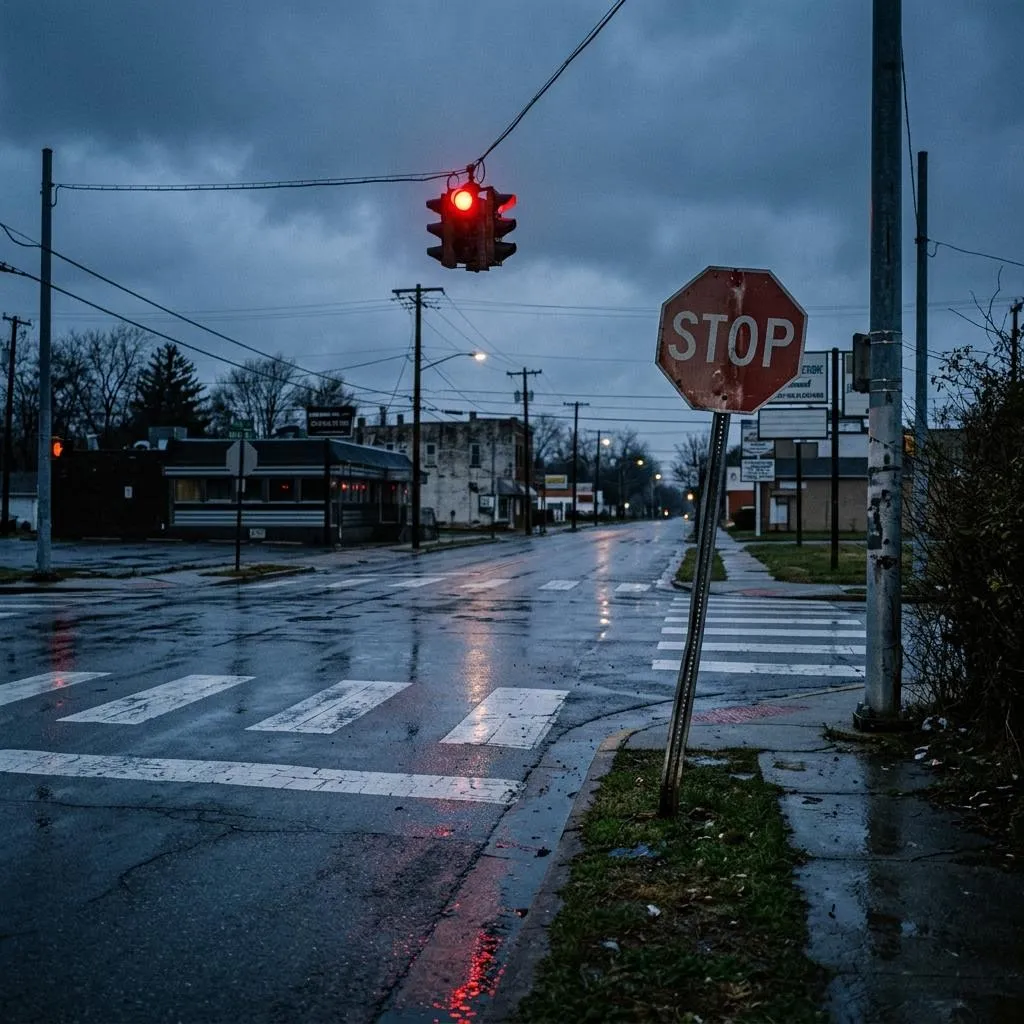
If safe, photograph the intersection or roadway from each approach. Include lane lines, traffic controls, sight distance, construction, surface defects, debris, fluid, skid marks, lighting, weather, and nearby cameras.
Save the other driver’s name, contact, plate, license, insurance card, vehicle owner, company markings, and photographs of the other vehicle. NHTSA publishes national motorcycle safety facts, but the traffic rules that apply come from the state where the crash happened.1
State motor vehicle agencies publish the crash-report process.2
Build the medical and insurance record
List the ambulance, hospital, imaging facility, pharmacy, specialty clinic or doctor, therapist, and every later provider. Patients can request medical and billing records.4
Save your policy’s declarations page and full form, plus every letter or message from an adjuster. An insurance card does not show every coverage or condition.3
Do not guess at medical cause, speed, distance, or legal fault. Mark estimates as estimates and preserve the source behind each fact.
What a case check asks
Expect questions about the roadway, each vehicle’s movement, the bike and gear location, witnesses, cameras, report status, treatment, work effects, and insurance contacts.
A licensed attorney reads the objects, records, and law together. This checklist keeps those pieces from being separated before that review.
A quick reality check
What this page can and cannot tell you
This page cannot decide fault, medical cause, insurance coverage, legal deadlines, case value or whether you have a claim. Those questions depend on the full facts, records, state law and a licensed attorney's review.
Ready to ask about your own facts?
Tell us what happened. We will ask the rest.
In English or in Spanish. Free to start. No obligation.
Where this comes from
NHTSA supplies national safety information. The crash report, traffic rules, policy, and medical records come from the responsible state offices and actual providers.
- 1
Motorcycle safety
National motorcycle safety information and links to traffic safety facts.
National Highway Traffic Safety Administration - 2
State motor vehicle services
Directory for state crash-report, licensing, and vehicle-record instructions.
USA.gov - 3
Auto insurance consumer guide
Explains common policy documents and why actual coverage language matters.
National Association of Insurance Commissioners - 4
Your medical records
Explains a patient's right to inspect and obtain medical and billing records.
U.S. Department of Health and Human Services
Last updated
August 24, 2026
The answer, limits and direct source links were checked on the date shown.