What to have ready
Gather what you can. Start anyway.
This is a list of things that help, with a plain reason for each one. You do not need any of it to start a case check. Check off what you have, and leave the rest for later.
Starting a case check does not mean we represent you.
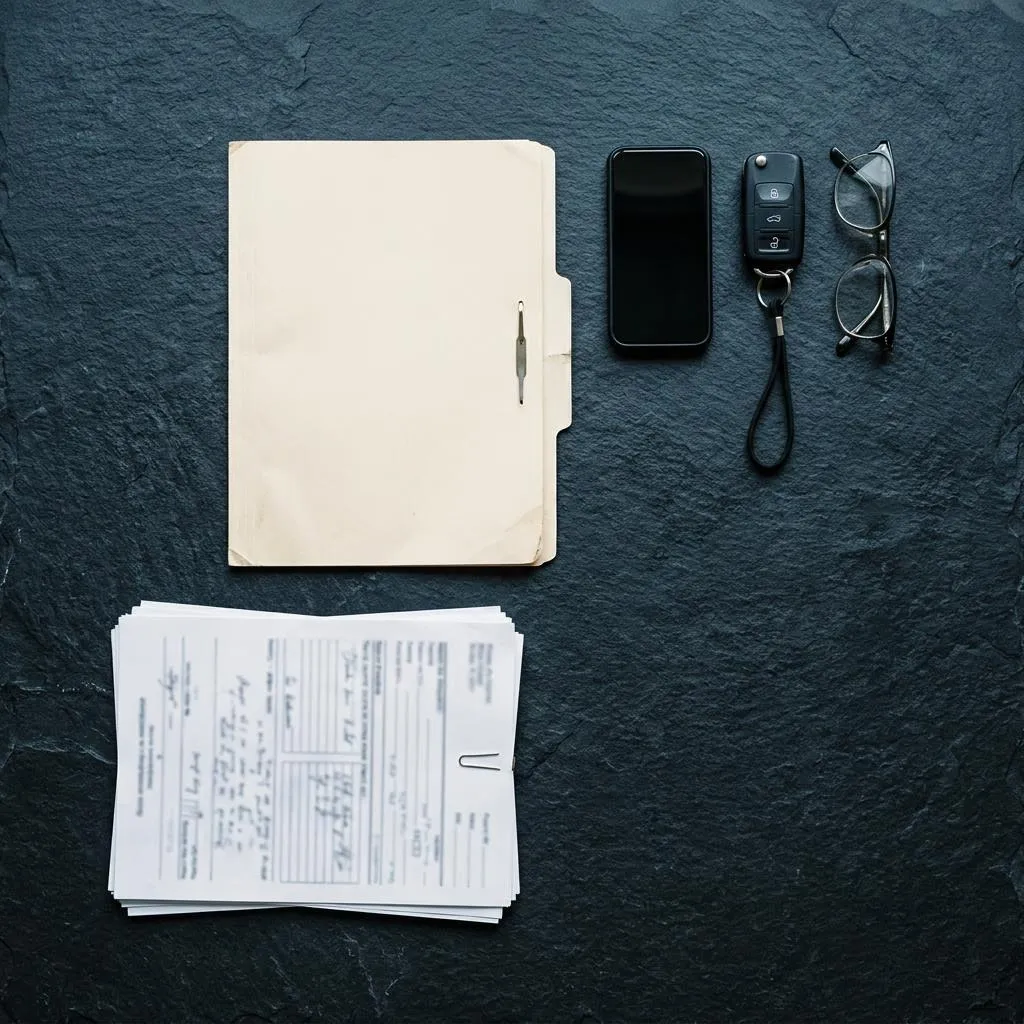
Missing items never block a case check. We flag what is missing and ask you a short question about it later.
The checklist
Read it here, or open the checklist tool if you would rather tick things off and print the result. Either way it is just for you.
This list
29 items
Having none of them is a fine place to start.
Photos and video
Even blurry ones help.
- Photos of the place it happened
- Photos of your injuries over time
- Photos of the cars, the floor, or the machine
- Video from a phone, a doorbell, or a dash camera
The report
A number is enough. You do not need the whole file.
- Police report or incident number
- The store or building incident report
- Workers comp claim number
- The name of the officer or the agency
People who saw it
First names and a phone number are plenty.
- Names and numbers of witnesses
- The worker or manager who helped you
- Who was in the car or on the job with you
- Anyone who stopped to help you
- Who you called or texted right after
Doctors, records, and bills
A list of places is fine. You do not need the records themselves.
- The ER or urgent care you went to
- The doctor or clinic treating you now
- Bills and statements that came in the mail
- Medicines you were given or told to take
- Therapy, imaging, or a referral to another doctor
Insurance letters
Keep the envelope if the letter has no date on it.
- Any letter from an insurance company
- The claim number
- Any offer, check, or denial you got
- The name and number of the adjuster who called
Work and money
Rough numbers are fine to start.
- Pay stubs from before and after
- Days of work you missed
- A note from your job about light duty
- Lost overtime, tips, or side work
Anything you said or signed
Tell us even if you are not sure what it was.
- A recorded statement you gave
- Anything you signed, even if you are unsure
- Texts, emails, or app messages with the other side
Missing something? It does not block anything.
You can start with a phone and whatever you remember. Paperwork can help, but nothing on this list is required before you begin.
- We flag it, then ask you
- Gaps get one short follow-up question in the language you picked.
- Text things over when you find them
- Photos and papers can be texted over weeks later. You do not have to have them on the first call.
- Your copies stay yours
- We keep what you send unchanged, and we can send you a copy at any time.
- Do not edit or crop photos
- Send them as they came off the phone. That keeps the date and place attached.
Vetted Cases
What to have ready
Photos and video
The report
People who saw it
Doctors, records, and bills
Insurance letters
Call or text (435) 383-8833 · Free to start · Starting a case check does not mean we represent you.
Keep the checklist on hand
The evidence checklist opens in your browser. Tick things off there as you find them at home. It stays on your device and nothing is sent.
Open the evidence checklistYou can also just start. We ask about these items one at a time when it fits your case.
If you would rather read first
You can start with nothing
Start with what you remember today. Text the rest over when you find it. A long case can take more than one call, so nothing is wasted.
Start with what you have
You do not need any of this list to begin. Start now and add the rest by text when you find it.
See how the review worksFree to start. No obligation. Starting a case check does not mean we represent you.