Where this comes from
You can check the original sources
We checked these original sources on August 25, 2026. Each link opens the source so you can read it for yourself.
Original links
Sources and what they explain
- Where it applies
- United States and state traffic-record systems
- What it helps explain
- Describes state crash, driver, vehicle, roadway, citation and injury data systems.
- Date checked
- Live federal program page; retrieved August 25, 2026
- Where it applies
- United States; implemented through state reporting
- What it helps explain
- Lists standardized crash facts that may exist even when no eyewitness is identified.
- Date checked
- Sixth edition public program page; retrieved August 25, 2026
- Where it applies
- United States; HIPAA-covered records
- What it helps explain
- Explains the federal right to inspect and obtain copies of many covered health records.
- Date checked
- Live federal guidance; retrieved August 25, 2026
Map every source that exists without a witness
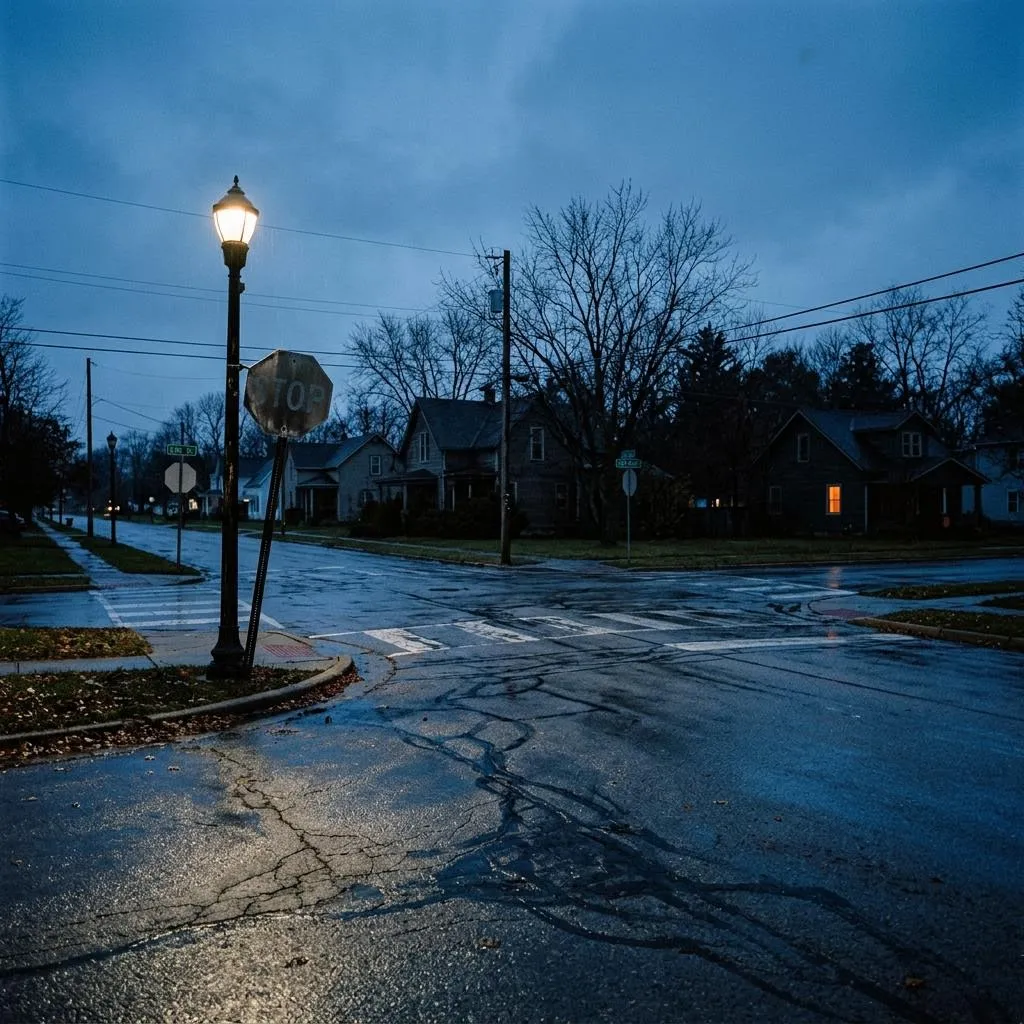
Start with the exact time and place. List traffic, business, home, doorbell, bus, dash, body and intersection cameras you saw. Record the owner or agency instead of claiming a camera captured the crash.
State traffic-record systems combine crash, driver, vehicle, roadway, citation and injury data.1 The absence of a witness field does not erase those other sources.
Preserve original files
Keep photos and videos in their original form with timestamps and metadata. Do not crop, annotate or send the only copy through an app that may compress it. Make a working copy for notes.
Save:
- vehicle positions, damage, paint transfer and debris;
- roadway marks, signs, signals, lighting and weather;
- dispatch, ambulance and crash-report numbers;
- repair inspections and electronic vehicle data;
- claim notices and adjuster communications.
The federal crash standard shows the types of scene and sequence facts a report may contain.2
Write one careful account
Write what you remember in order. Separate what you saw from what someone later told you. Label times and distances as estimates when they are estimates. Do not keep rewriting the story to make it sound stronger.
Connect the medical timeline
List the first symptoms, every care location and when each visit occurred. Many patients can request copies of their medical and billing records.3 A doctor addresses medical cause. This page does not.
A quick reality check
What this page can and cannot tell you
This page cannot decide fault, medical cause, insurance coverage, legal deadlines, case value or whether you have a claim. Those questions depend on the full facts, records, state law and a licensed attorney's review.
Ready to ask about your own facts?
Tell us what happened. We will ask the rest.
In English or in Spanish. Free to start. No obligation.
Where this comes from
Official reports and original files identify their own time and source. This page does not rank one item or decide fault.
- 1
Traffic records
Describes state crash, driver, vehicle, roadway, citation and injury data systems.
National Highway Traffic Safety Administration - 2
Model Minimum Uniform Crash Criteria
Lists standardized crash facts that may exist even when no eyewitness is identified.
National Highway Traffic Safety Administration - 3
Your medical records
Explains the federal right to inspect and obtain copies of many covered health records.
U.S. Department of Health and Human Services
Last updated
August 25, 2026
Added a checklist for finding camera, vehicle, phone, agency and medical records when no one saw the crash.